A pour-over will is a backup will that transfers any assets still in your individual name at death into your existing revocable living trust, but those assets usually must still pass through probate before the trust can distribute them. For assets caught this way, probate costs may be about 3% to 7% of the estate's value.LegalZoom explains the cost estimate
You may already have a trust, signed estate documents, and a clear plan for your family. Then a brokerage account remains in your personal name, or a vacation property never gets retitled. That single oversight can force your family into court administration even though you intended to build a trust-centered plan.
For South Florida founders and family heads, the practical answer is straightforward. Use the pour-over will as a safety net, but treat trust funding and account coordination as the critical work. A pour-over will can catch an overlooked asset. It can't make that asset avoid probate before the transfer.
Table of Contents
- The Backup Plan Most Florida Estate Plans Rely On
- How a Pour-Over Will Works
- Pour Over Will vs Standalone Will vs Fully Funded Trust
- Benefits and Hidden Limitations You Must Understand
- Florida Rules and Practical Drafting Considerations
- Your Next Steps and When to Call an Attorney
The Backup Plan Most Florida Estate Plans Rely On
A Miami founder creates a revocable living trust after buying a home, building a company, and starting a family. The attorney prepares the trust, the pour-over will, powers of attorney, and health care documents. The founder transfers the primary residence and several financial accounts into the trust, then moves on to running the business.
Years later, the founder opens a brokerage account for a new investment strategy. A family vacation property is acquired in another state. Neither asset gets retitled into the trust. The documents still exist, but the funding process has fallen behind the founder's changing financial life.
At death, the family discovers the gap. The brokerage account and property are still owned individually. The pour-over will directs those assets to the revocable living trust, where the trust terms can govern the ultimate distribution. But the assets don't move directly into the trust because the will contains a pour-over provision.
The executor generally must file the will with the probate court, administer the probate estate, and obtain authority to transfer the assets to the trustee. This is why a revocable living trust in a coordinated estate plan should be paired with a pour-over will, but never substituted for disciplined funding.
Practical rule: A pour-over will is a rescue device, not a shortcut around probate.
The distinction matters for privacy, timing, and administrative burden. Assets already titled in the trust can generally be administered through the trust structure outside probate. An asset left in the founder's individual name may become part of a public court proceeding before the trust can receive it.
The will therefore performs an important backstop function. It helps prevent an omitted asset from passing under an unintended distribution plan. It doesn't erase the consequences of leaving the asset outside the trust during life.
How a Pour-Over Will Works
A pour-over will directs probate assets still titled in the decedent's individual name into an existing revocable living trust. The trust, rather than the will, governs final distribution after the transfer is completed. Justia describes the core structure of pour-over wills.
The trust operates as the central estate-planning document. The pour-over will serves as a backstop for property that was never retitled into the trust. It catches missed assets, but the probate court may need to supervise the transfer.
The sequence after death
The process usually follows this order:
- The executor files the will. The will enters probate because it controls assets not already transferred through the trust or another beneficiary arrangement.
- The court appoints the executor. The executor receives authority to identify, protect, and administer probate assets.
- The executor gathers outside assets. These may include an individually titled account, real estate, or other property that does not pass automatically by contract or ownership structure.
- The estate satisfies administration requirements. The executor handles the court-supervised process and outstanding estate obligations.
- The probate assets transfer to the trustee. The trustee then administers that property under the revocable trust's terms.
This sequence exposes the probate trap that many pour-over will guides gloss over. Trust-owned assets and assets subject to valid beneficiary designations may follow their own transfer paths. Assets left in the decedent's individual name generally require probate before reaching the trust, so the will does not protect privacy or reduce probate administration for those assets during life.
What the trust controls
After the property reaches the trust, the trustee follows its distribution and administration provisions. That can create one coordinated plan for family members, business interests, and continuing trusts for beneficiaries.
The pour-over provision directs the executor to the trust instead of creating a separate distribution scheme in the will. The trust must exist and be identifiable, and the asset must be part of the probate estate for the provision to operate.
For a practical overview of how Florida families can reduce probate exposure, start with ownership records. Review each account, deed, business interest, and beneficiary designation against the trust plan. A pour-over clause is a rescue device, not a substitute for disciplined trust funding.
Pour Over Will vs Standalone Will vs Fully Funded Trust
These tools solve different problems. A standalone will provides testamentary instructions, but its assets generally move through probate. A fully funded trust places intended assets under the trustee's control during life and can keep those assets outside probate. A pour-over will paired with a trust combines a unified distribution plan with a fallback for property that was missed.
The table below shows the practical differences.
Estate Planning Tool Comparison
| Criteria | Standalone Will | Pour Over Will + Trust | Fully Funded Trust |
|---|---|---|---|
| Probate exposure | Assets governed by the will generally require probate. | Unfunded assets still require probate before transfer to the trust. | Properly trust-owned assets can avoid probate. |
| Privacy | Probate administration can make the will and related filings available through the court record. | Unfunded assets enter probate, while the trust remains the operative distribution document after transfer. | Trust administration generally provides greater privacy for trust-owned assets. |
| Cost | Court administration costs apply to probate assets. | Probate costs and administration still apply to assets caught by the pour-over clause. | Funding requires lifetime administrative work, but trust-owned assets can avoid probate administration. |
| Lifetime effort | Less retitling work during life. | Significant retitling work remains necessary, with the will providing backup coverage. | Requires disciplined funding and continued title review. |
| Complex families | Instructions remain in the will and must be administered through probate. | The trust can provide one distribution framework for property transferred into it. | The trust directly manages the intended trust property. |
| Business owners | Individually owned interests may create probate complications. | The trust can coordinate transferred interests, while omitted interests remain exposed to probate. | Properly transferred interests can fit within the trust's administration structure. |
| Best use | Simpler plans where probate and public administration are acceptable. | Trust-centered plans that need a backstop for omissions. | Families committed to maintaining accurate ownership and beneficiary records. |
For many South Florida founders, the pour-over structure is the practical middle ground. A standalone will is often too exposed to probate, while a trust without a backup will leaves a more obvious gap. The paired structure works only when the owner treats funding as an ongoing responsibility.
The trust type also matters. Before choosing a structure, review the differences between a revocable trust and an irrevocable trust. A pour-over will commonly works with a revocable living trust, but the right arrangement depends on control, tax, creditor, family, and business objectives.
My recommendation is simple: use the trust for the main plan, use the pour-over will as protection against omissions, and don't confuse the backup document with complete probate avoidance.
Benefits and Hidden Limitations You Must Understand
A South Florida family may sign a pour-over will, create a trust, and still send unfunded property through probate. The will provides coordination after death, but the trust delivers its intended administration only after the omitted asset reaches it.
The main benefit is a reliable backstop. A properly drafted pour-over will directs probate assets that were never transferred to the trust during life. That instruction lets the estate place those assets under the trust's distribution and administrative terms instead of leaving a separate will-based plan.
The protection matters as circumstances change. Owners acquire property, open accounts, receive business interests, or overlook an existing title. The pour-over provision can keep one omission from defeating the broader trust-based plan.
What the document does well
A pour-over will can:
- Catch omitted probate assets: It identifies a destination for property still held individually at death.
- Unify distribution instructions: The trust remains the central document for beneficiaries and administrative terms.
- Support later trust changes: The relevant legal framework recognizes testamentary transfers to amendable or revocable trusts, including trusts later amended.
- Cover after-acquired property: Assets obtained after the trust was created may still pass into it if they remain part of the probate estate.
- Reduce the risk of an accidental intestate result: The will gives the executor a stated direction instead of leaving omitted property without a coordinated plan.

The trap guides often gloss over
The pour-over will catches missed assets but does not eliminate probate exposure for them. Property never retitled into the trust generally must pass through the court process before the trustee can administer it. That can affect timing, cost, and privacy, as Nolo explains this probate limitation.
An industry explainer places potential probate costs for assets captured this way at about 3% to 7% of the estate's value.LegalZoom provides that estimate That range is not a universal Florida fee schedule or a precise forecast. Treat it as a warning: substantial unfunded property can create avoidable expense.
Small-estate procedures may change the result. California guidance identifies a 2026 threshold of $239,700 for a qualifying small-estate affidavit procedure, as the California guidance discusses that threshold. Florida families should not import that figure into their planning. Ask Florida counsel whether a simplified procedure applies.
Funding discipline beats document accumulation. A well-drafted will cannot correct inaccurate ownership records until after death. Review titles, account registrations, beneficiary designations, and new acquisitions regularly, then fund the trust while you are alive.
Florida Rules and Practical Drafting Considerations
A Florida pour-over will works only when the will, trust, account titles, beneficiary designations, and underlying assets are coordinated. Florida recognizes testamentary additions to trusts, allowing a will to direct probate property into a trust that exists at death. The framework associated with the Uniform Testamentary Additions to Trusts Act and Uniform Probate Code Section 2-511 supports this structure, while Florida law controls execution, administration, and probate procedure. This estate-planning overview traces the statutory development.
The trust must be identifiable in the will and able to receive the property. Modern rules permit transfers to amendable or revocable trusts, and later trust amendments generally do not defeat a properly drafted pour-over provision when the trust was validly established. Precision still matters. The will should match the trust's legal name, date, and governing document.
The practical Florida sequence
After death, the personal representative files the will with the probate court and seeks appointment. The estate then identifies probate assets, handles required court procedures, pays valid obligations, and transfers eligible property to the trustee. The trustee administers that property under the trust terms.
That sequence exposes the hidden trap. Property never retitled into the trust usually enters probate before the trustee can control it. A pour-over clause transfers the property after the court process. It does not make unfunded assets private or probate-free.
Ask whether the estate may qualify for Florida's simplified administration procedure. Eligibility and requirements depend on the estate and applicable Florida rules. The existence of a pour-over clause does not decide whether full probate is required. Florida counsel should evaluate the estate's assets and procedure rather than relying on the trust provision alone.
Drafting details that prevent friction
Signing the trust and pour-over will on the same day, when practical, can make their relationship easier to establish. The will should identify the trust precisely and direct the remaining probate estate to its trustee. The North Carolina explanation provides that practical sequence
A sample provision might read:
“I give all remaining property subject to this Will to the trustee of the revocable trust identified as [trust name], dated [date], as amended before my death, to be administered under that trust's terms.”
Use that language only as an illustration. Your attorney must tailor the provision to the actual trust, Florida execution requirements, personal representatives, tax provisions, and family circumstances.
Before signing, confirm:
- The trust is signed: An unsigned trust may not provide a valid destination.
- The will identifies the trust accurately: Names and dates must correspond.
- The documents don't conflict: Distribution and administrative terms should operate together.
- The trustee can receive the property: The trust must be ready to accept the transfer.
- Titles match the plan: Fund the trust during life so the will remains a backup, not the primary funding method.
Your Next Steps and When to Call an Attorney
A pour-over will cannot rescue an unfunded estate from probate. Start by auditing your assets, then compare ownership and beneficiary records with the trust plan. That review is how you protect privacy and limit avoidable administration.
Use this checklist:
- Review ownership titles: Confirm intended trust assets are held in the trust's name.
- Check beneficiary designations: Review retirement accounts, life insurance, and accounts that transfer by designation.
- Confirm document coordination: Verify that the trust is signed, accurately identified in the will, and ready to receive property.
- Track new acquisitions: Add each account, property, or business interest to your funding review.
- Ask about Florida procedures: Determine whether the estate may qualify for a simpler probate process.
Call a South Florida estate planning attorney if you own property in multiple states, have minor children, are in a blended family, hold business or startup equity, or rely on documents prepared elsewhere. These circumstances can create conflicts that generic online forms miss.
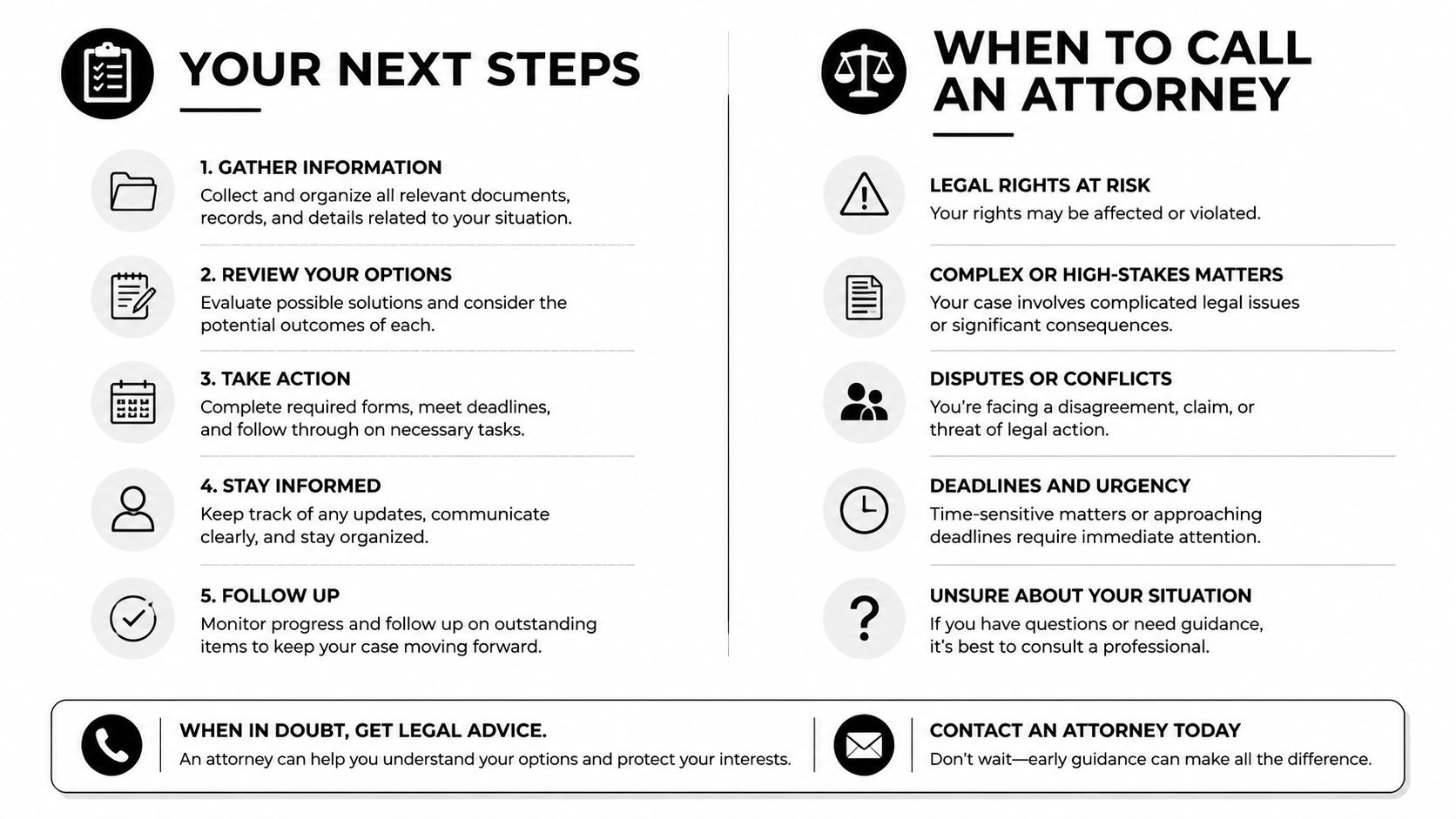
Review your asset titles and beneficiary designations now. The pour-over will should catch an omission, not serve as your primary funding method.
If you are preparing a pour-over will or updating an estate plan, Coto & Waddington can review whether your trust, titles, and beneficiary designations work together. Schedule a consultation with the firm's South Florida estate planning team.