The most popular advice about asset protection estate planning is also the most misleading: sign a will, create a revocable trust, form an LLC, and assume your family and business are protected. Those documents may solve important transfer and administration problems, but they don't automatically stop a judgment creditor, business plaintiff, divorcing spouse, or bankruptcy trustee from reaching assets you still own.
Florida founders need a more precise plan. Estate-transfer planning determines who receives property and how that transfer occurs. Creditor protection determines who can reach property while you're alive. Homestead, LLCs, insurance, irrevocable trusts, beneficiary designations, and marital agreements each address different risks. Treating them as interchangeable is how well-intentioned families end up with expensive documents and exposed assets.
Table of Contents
- Why a Will Alone Is Not a Protection Plan
- Estate Planning and Asset Protection Explained
- The Core Tools and What Each One Actually Does
- Florida-Specific Rules That Change the Playbook
- A Stepwise Plan That Works for Founders and Families
- A Real Example of Getting the Documents Right but the Funding Wrong
- Common Pitfalls and Red Flags to Watch For
- Your Next Step and How to Get Started
Why a Will Alone Is Not a Protection Plan
A will is essential, but it isn't a shield. It directs the distribution of property after death, names personal representatives, and can nominate guardians for minor children. It doesn't protect your brokerage account from a business judgment during your lifetime, and it can't prevent a creditor from pursuing property you personally own.
A revocable living trust has a similar limitation. It can help avoid probate for assets properly transferred into the trust, provide continuity during incapacity, and keep some estate administration matters private. But you still control the trust and can revoke it. For creditor purposes, the trust assets generally remain available to claims against you.
Practical rule: A document that leaves you with unrestricted ownership and control usually isn't a lifetime creditor-protection device.
Florida founders often recognize the gap only after a lawsuit arrives. By then, moving a rental property, investment account, or business interest into a trust may invite scrutiny as a transfer intended to hinder, delay, or defraud a creditor. The timing of a transfer, your solvency, the existence of a claim, and the value exchanged can all affect whether a court allows the transfer to stand.
The will still matters. It may coordinate with a trust through a pour-over provision, establish a succession path, and address assets that weren't transferred during life. But it should be treated as the floor of a complete plan, not the ceiling. A practical overview of the decisions a will should address appears in this guide to what to include in a will.
The broader reason for planning early is that inherited property can represent a substantial part of a family's wealth. A U.S. Bureau of Labor Statistics study using Federal Reserve Survey of Consumer Finances data found that 21% of households received a wealth transfer at a given point, and those transfers represented 23% of recipients' net worth. Over a lifetime, approximately 30% of households could expect to receive a wealth transfer, projected to represent nearly 40% of their net worth near death. The figures are U.S.-focused and come from the Bureau of Labor Statistics study, but the planning lesson is broadly relevant: ownership, control, creditor exposure, and timing deserve attention before assets change hands.
Estate Planning and Asset Protection Explained
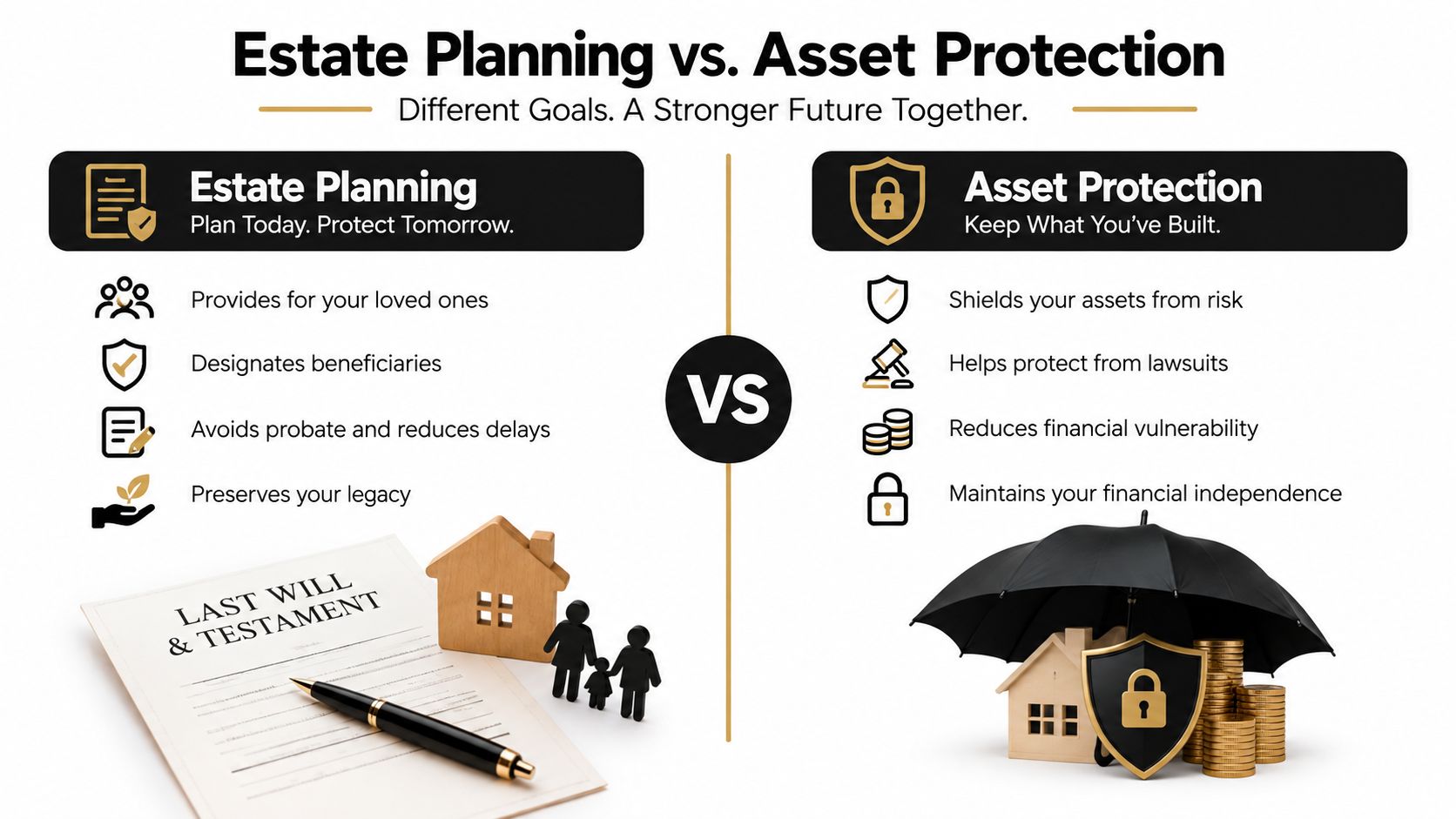
Estate planning answers a transfer question: who receives your assets, when do they receive them, and under what conditions? A will, revocable trust, beneficiary designation, power of attorney, healthcare directive, and business succession agreement may all form part of that work. Tax planning can also matter, especially when a family owns a closely held company, significant real estate, or appreciating investments.
Asset protection answers a different question: who can reach your assets while you're alive? The tools may include properly maintained LLCs, liability insurance, irrevocable trusts, marital agreements, retirement and insurance protections, and carefully designed ownership structures. Each tool carries a legal test and a trade-off. Some reduce control. Others add administration. None protects everything from every claimant.
A useful analogy is a race. Estate planning is the handoff at the finish line. Asset protection is the helmet and pads during the race. A will may determine who receives the business after your death, but it won't necessarily keep a customer claim against the business from affecting assets held in your own name. An irrevocable trust may put distance between you and an asset, but it won't replace a will, beneficiary review, or incapacity documents.
Start with the risk, not the document
A founder with a software company, personally guaranteed equipment leases, a rental condo, and a family residence doesn't have one risk. The founder has operating risk, personal-guarantee risk, real-estate risk, marital risk, and estate-transfer risk. A generic revocable trust may help with administration, but it doesn't answer the ownership and liability questions.
A sound process separates the work into three decisions:
- Transfer: Decide who should receive each asset and whether distributions should be immediate, staged, or held in trust.
- Exposure: Identify which assets face business claims, personal claims, divorce claims, or creditor pressure.
- Implementation: Confirm that deeds, account registrations, operating agreements, capitalization records, and beneficiary forms reflect the intended structure.
Families comparing legal structures with insurance coverage may also find this overview of legal and insurance tactics for wealth useful as general background. The important point is that estate planning and creditor planning should be coordinated, not collapsed into one checklist.
The Core Tools and What Each One Actually Does
The right tool depends on the claim you are trying to prevent. A revocable trust is usually an administration tool. An LLC is an ownership and liability tool. An irrevocable trust is a control and transfer tool. Insurance is a risk-transfer tool. Confusing those functions creates false confidence.
| Tool | Protects Against Probate | Protects Against Creditors | Protects Against Divorce | Key Limitation |
|---|---|---|---|---|
| Will | No, assets may pass through probate | No lifetime protection | No | Controls disposition at death but doesn't change lifetime ownership |
| Revocable living trust | Yes, for properly funded assets | Generally no | Generally no | You retain control and the assets remain associated with you |
| Irrevocable trust | Often, if properly structured and funded | Potentially, against future claims | Potentially, depending on terms and facts | You must surrender meaningful control and follow trust formalities |
| LLC | Not by itself | Can separate business liabilities and may provide charging-order protection | No direct protection | Requires separate finances, proper records, capitalization, and legitimate operation |
| Prenuptial or postnuptial agreement | No | No business-creditor protection | Yes, within enforceable legal limits | Doesn't replace entity planning or insurance |
| Liability insurance | No | Can fund defense and covered claims | No | Coverage limits, exclusions, deductibles, and insurer conduct matter |
| Beneficiary designation | Often, for assets that transfer by designation | Depends on the account and applicable law | Not automatically | It can override the instructions in a will or trust |
A Florida LLC may help protect an owner's interest from certain non-fraudulent claims through charging-order concepts, but that protection isn't magic. The company must be properly formed, capitalized, documented, and operated. Personal and company funds shouldn't flow through the same account, and the entity shouldn't function as a shell for hiding personal property.
Revocable trusts remain useful. They can simplify administration and keep properly titled assets out of probate, but they shouldn't be sold as a creditor wall. Irrevocable trusts, including spousal lifetime access trusts and grantor retained annuity trusts, may support transfer and protection goals when the structure, timing, valuation, and administration are sound. The trade-off is real: you may give up direct access, unilateral control, or the ability to reverse the transfer.
Founders considering an LLC structure can review Florida asset protection through an LLC alongside their insurance and trust analysis. Insurance belongs near the beginning of the plan, not as an afterthought. It may provide defense and indemnity when a properly structured entity still faces a covered claim.
Finally, beneficiary designations deserve their own audit. Retirement accounts, life insurance, transfer-on-death accounts, and similar assets may pass directly to the named beneficiary. A stale form can defeat an otherwise carefully drafted trust plan.
Florida-Specific Rules That Change the Playbook
Florida applies different rules to different forms of ownership. A primary residence, an LLC membership interest, a jointly owned account, and a business asset may receive very different treatment. The analysis begins with legal ownership and the facts behind it, not with the label on a will, trust, or company document.
Homestead is powerful, but it isn't universal
Qualifying Florida homestead receives unusually strong protection against forced sale for many creditor claims. Florida court materials also recognize protections affecting certain heirs. A transfer plan therefore must account for marital status, minor children, occupancy, title, and constitutional restrictions on devise. Counsel should review those issues before transferring a residence to a trust or entity.
Geographic limits can change the result. In an incorporated area, qualifying homestead generally includes the home and up to one-half acre. In an unincorporated area, the limit can extend to 160 acres. The Florida Bar's homestead exemption overview explains these limits, exceptions, and the treatment of certain mobile or modular homes.
Homestead protection does not erase a mortgage or a voluntarily placed lien. Procedure can matter as well. Under Chapter 222, a person claiming the exemption may make a written statement describing the property and declaring it homestead. A claim arising around a levy may require timely notice to the levying officer. The statutory mechanics appear in Florida Statute Chapter 222.
| Tool | What It Protects | Limits | Best Use |
|---|---|---|---|
| Florida homestead | Qualifying primary residence from many forced sales | Acreage, liens, occupancy, family rights, devise, and procedure matter | Preserve a primary residence after reviewing title and family facts |
| LLC ownership | Business assets and, in some cases, membership interests | Poor records, commingling, fraud, and personal guarantees undermine separation | Hold and operate business or investment assets with disciplined governance |
| Irrevocable trust | Selected assets from some future claims and estate-transfer problems | Loss of control, transfer-tax rules, trustee administration, and timing | Long-term wealth transfer and carefully planned protection |
| Spousal ownership structures | Some jointly owned property from certain individual claims | Marriage, title, creditor type, and divorce facts change the result | Coordinate family ownership with business and estate planning |
| Insurance | Defense and covered liability losses | Exclusions, limits, deductibles, and policy conditions | First-line protection for operating and professional risks |
Florida generally does not provide the same statutory protection for a trust created by an individual for that individual's own benefit as Delaware, Nevada, South Dakota, or Alaska. A Florida founder's domestic asset protection trust analysis therefore turns on governing law, trustee structure, timing, retained control, solvency, and the nature of the claim. The distinction between estate-transfer planning and creditor protection is examined in this analysis of how Florida asset protection planning changed after the 2026 legislative updates. For governing-law and trustee-structure questions, review Florida trust law rules and what they mean for a self-settled trust.
A 529 account, UTMA arrangement, retirement account, annuity, life insurance policy, and tenancy-by-the-entirety ownership may each involve separate statutory or case-law rules. None is a universal substitute for business-liability planning. A Florida lawyer should assess the asset, beneficiary, source of funds, and potential creditor before recommending a title change. DAPT planning, homestead protection, and LLC ownership address different risks, so treating one as a replacement for the others can leave a founder or family exposed.
A Stepwise Plan That Works for Founders and Families
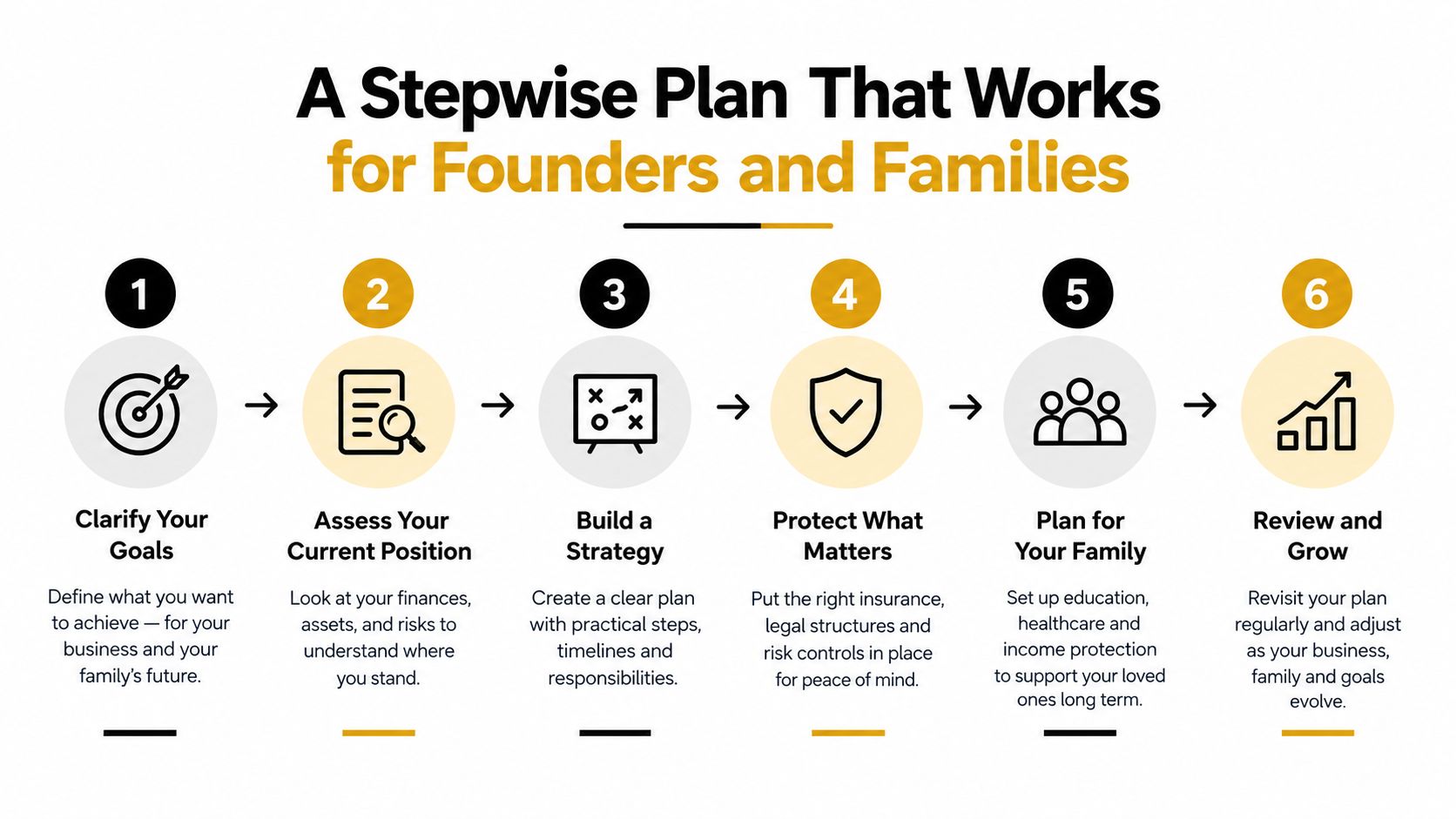
Protection starts with an accurate map. A founder can't decide whether an LLC, trust, or personal ownership is appropriate if no one has identified every account, guarantee, digital asset, property interest, and beneficiary instruction.
Build the inventory before drafting
Create a private schedule showing the asset, current legal owner, approximate value, associated debt, location, beneficiary, and intended successor. Include operating-company equity, holding-company interests, rental property, brokerage accounts, retirement plans, life insurance, intellectual property, domains, cryptocurrency, online payment balances, SAFEs, personal guarantees, and sale proceeds.
Then classify the risks. A personally owned rental property presents a different exposure from an operating company interest. A residence requires a homestead review. A closely held business may require valuation, transfer restrictions, capitalization records, and a succession mechanism before an interest moves into an irrevocable trust.
Match ownership to the purpose
The next step is not “put everything in a trust.” It is to decide what should remain personal, what belongs in an operating or holding entity, what should be insured, and what can be transferred for long-term family planning. A founder may retain a residence personally to preserve homestead treatment, use an LLC for a rental or operating venture, and use an irrevocable trust for selected appreciating assets.
Complete the paperwork after making that decision:
- Retitle real estate: Review deeds, mortgages, homestead status, legal descriptions, and insurance before recording a transfer.
- Fund trusts and entities: Assign LLC interests, transfer eligible accounts, and preserve resolutions, ledgers, valuations, and acceptance records.
- Coordinate beneficiary forms: Update retirement, insurance, transfer-on-death, and payable-on-death designations so they don't contradict the trust plan.
- Protect access information: Record where digital assets and credentials can be accessed without placing passwords in an exposed estate file.
A founder's plan should be reviewed after a financing, acquisition, business sale, marriage, divorce, relocation, new personal guarantee, or major change in family circumstances. Put the review date on the calendar rather than relying on memory.
For federal planning, the IRS lists the basic exclusion amount at $15,000,000 for 2026, compared with $13,990,000 for 2025, and notes that the exclusion is indexed and can change. That federal exclusion is not a substitute for probate, creditor, or basis planning. The current figures and related estate-tax information appear on the IRS estate tax page.
A Real Example of Getting the Documents Right but the Funding Wrong
Consider a hypothetical Miami SaaS founder who paid for a custom irrevocable trust, a holding LLC, and a pour-over will. The documents were professionally drafted. The founder understood the intended structure and believed the planning was complete.
The implementation told a different story. The operating-company interest had never been transferred to the holding LLC. A rental condo remained titled in the founder's individual name. Brokerage accounts still named the founder directly instead of the intended trust. The trust existed on paper, but it held nothing meaningful.
When a creditor filed suit, the structure couldn't protect assets that had never entered it. The holding LLC couldn't shield the operating interest it didn't own, and the pour-over will couldn't move assets during life or repair a title problem before the claim. The founder faced a costly scramble to review deeds, account forms, entity records, and transfer authority while litigation pressure was already present.
The eventual solution required more than signing replacement documents. Counsel had to determine which transfers remained legally appropriate, verify solvency and consideration, coordinate the trust and entity records, and address the business's ownership chain. A replacement-clause fix was structured as an annual expense rather than exposing the founder to the possibility of selling the operating company to satisfy a problem that better implementation might have prevented.
The trust wasn't defective because the drafting was poor. It was defective because the funding never happened.
Use a closing checklist for every signed plan: confirm the deed was recorded, the account was retitled, the LLC ledger reflects the transfer, the trustee accepted the property, and the beneficiary form matches the intended outcome. A signed binder is not the same thing as an operating plan.
Common Pitfalls and Red Flags to Watch For
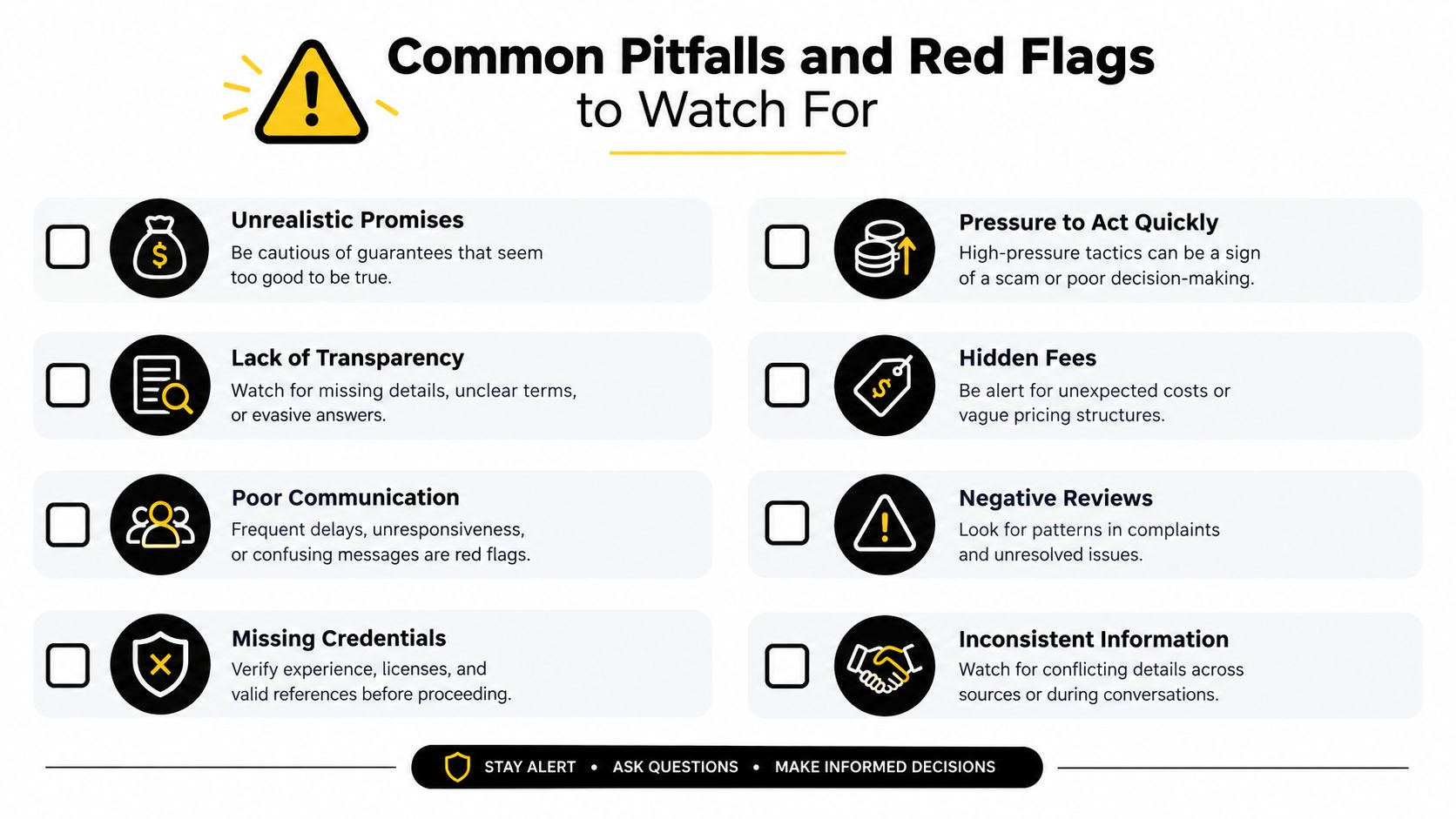
The most dangerous mistake is assuming that a structure works because it has an impressive name. A DAPT, LLC, homestead claim, or revocable trust can fail to address the relevant risk when the timing, ownership, or administration is wrong.
A transfer made after a claim arises, or after a claim becomes reasonably foreseeable, can create fraudulent-transfer exposure. Moving assets into a trust or LLC at the last minute doesn't convert personal property into protected property. It may instead provide a creditor with evidence to challenge the transaction.
Commingling creates a separate problem. Paying personal expenses from an LLC account, depositing company revenue into a personal account, failing to document distributions, or treating entity funds as an emergency wallet can weaken the separation the entity was supposed to create. Personal guarantees, undisclosed ownership, poor capitalization, and inaccurate records create additional pressure points.
Red flags that deserve immediate review
- Unfunded trusts: The trust agreement exists, but deeds, accounts, and business interests remain outside it.
- Single-member LLC informality: The entity has no meaningful operating agreement, resolutions, capital records, or separate banking.
- Stale beneficiary forms: A former spouse, deceased parent, or outdated trust still appears on an insurance or retirement account.
- Out-of-state property: The family assumes Florida homestead treatment follows property located elsewhere.
- Foreign-entity conflicts: A Delaware or other foreign entity has ownership, tax, governance, or registration records that don't match the Florida operating structure.
- Post-claim transfers: The family begins gifting, retitling, or creating trusts only after a demand letter, diagnosis, divorce, judgment, or lawsuit appears.
- Digital omissions: Domain names, cryptocurrency, intellectual property, and platform balances don't appear in the asset inventory.
Run an annual compliance review. Reconcile entity ownership, verify separate accounts, inspect insurance coverage, confirm beneficiary designations, update the digital-asset inventory, and ask whether any new guarantee or claim has changed the risk profile.
Gift and GST planning also require operational discipline. For a founder transferring appreciating closely held equity to an irrevocable trust, an independent valuation, transfer restrictions, capitalization records, trustee administration, and Form 709 reporting should align. The IRS explains that timely allocation of GST exemption generally uses the gift-tax value, while a delayed allocation may use the property's value when the allocation is filed, as described in the IRS Form 709 instructions.
Your Next Step and How to Get Started
The central point is simple: estate-transfer documents and creditor-protection tools solve different problems. Florida homestead, LLC ownership, irrevocable trusts, insurance, and beneficiary designations work best when they are selected for a specific risk and implemented before a claim, diagnosis, divorce, or lawsuit filing changes the legal picture.
Start with a diagnostic rather than another document. Bring a complete asset and liability inventory, current deeds, entity documents, account statements, insurance policies, beneficiary forms, existing trusts, personal guarantees, and information about any pending or foreseeable dispute. Counsel should then identify ownership gaps, separate homestead questions from business-liability questions, and determine whether a proposed transfer is legally and practically appropriate.
A useful engagement should produce more than a binder. Ask for a one-page action plan identifying each asset, its intended owner, the required transfer, the responsible person, and the deadline. Add a funding schedule for deeds, account registrations, entity assignments, beneficiary changes, valuations, and tax filings. The plan should also include an annual review process and clear triggers for an earlier review.
For lifetime gifting, maintain a ledger showing the donor, recipient, date, amount, asset description, and any return filed. In 2026, the federal annual gift-tax exclusion is $19,000 per recipient per donor, subject to the applicable statutory requirements and documentation, according to the IRS guidance for 2026. Annual gifting is a tax-planning mechanism, not a substitute for creditor protection, and transfers to trusts or family members require their own analysis.
Don't wait until an adversary is already examining your records. Schedule a focused review while the business is healthy, the family situation is stable, and transfers can be evaluated on their merits.
Coto & Waddington, Attorneys at Law helps South Florida founders, families, and closely held businesses coordinate estate documents, entity ownership, contracts, trusts, and practical funding steps. Visit Coto & Waddington, Attorneys at Law to schedule a consultation and turn your asset protection estate planning strategy into an implemented plan.